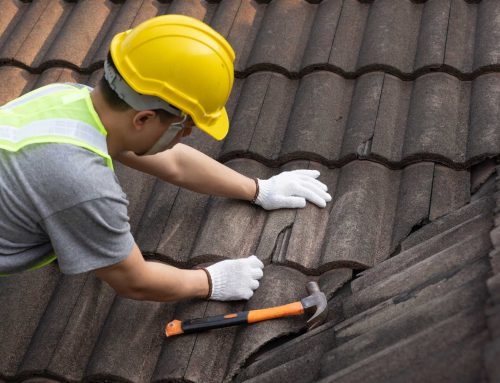
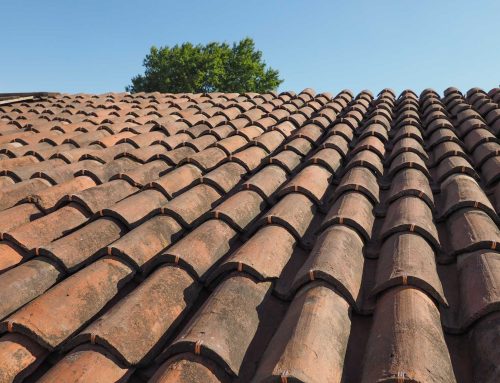
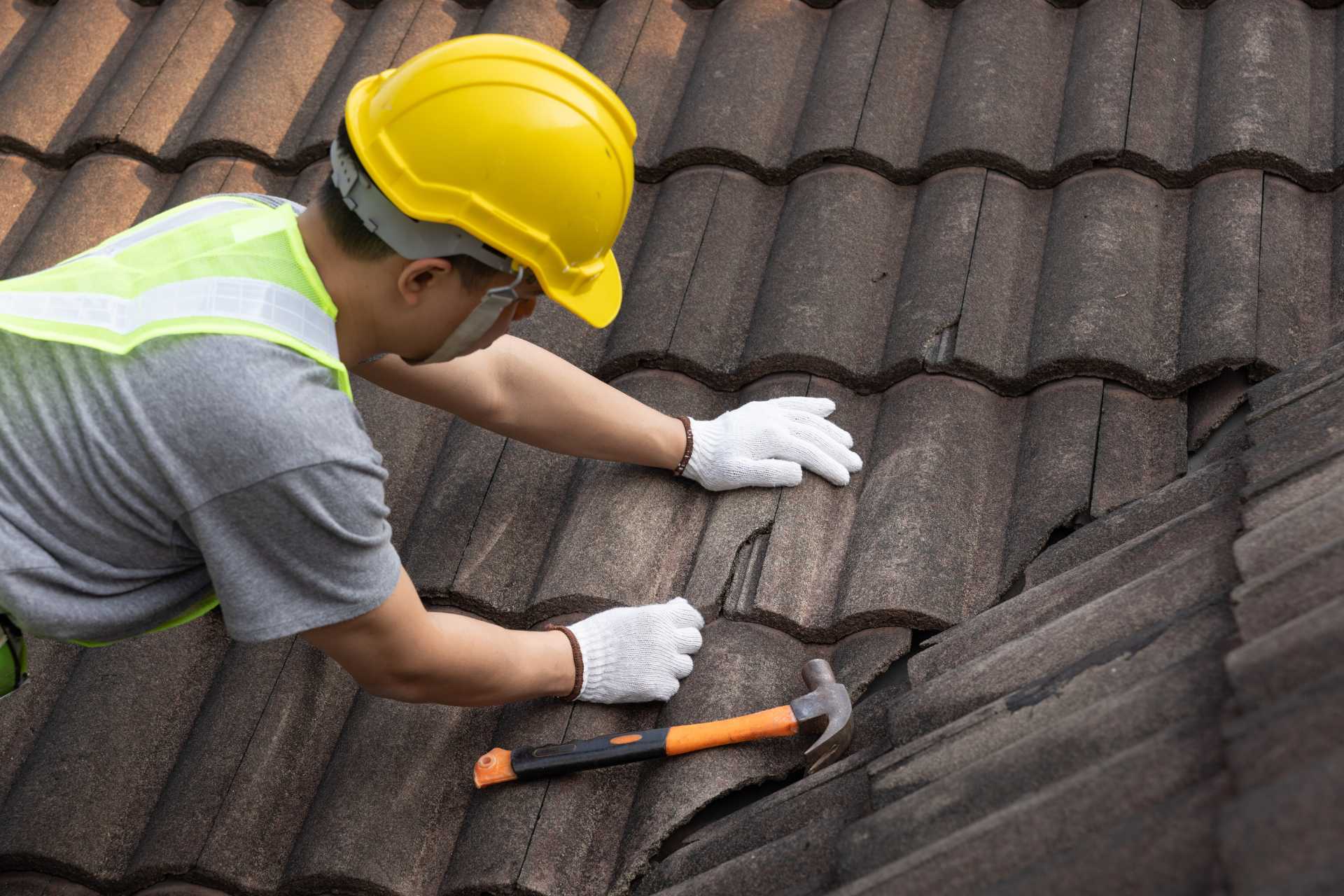
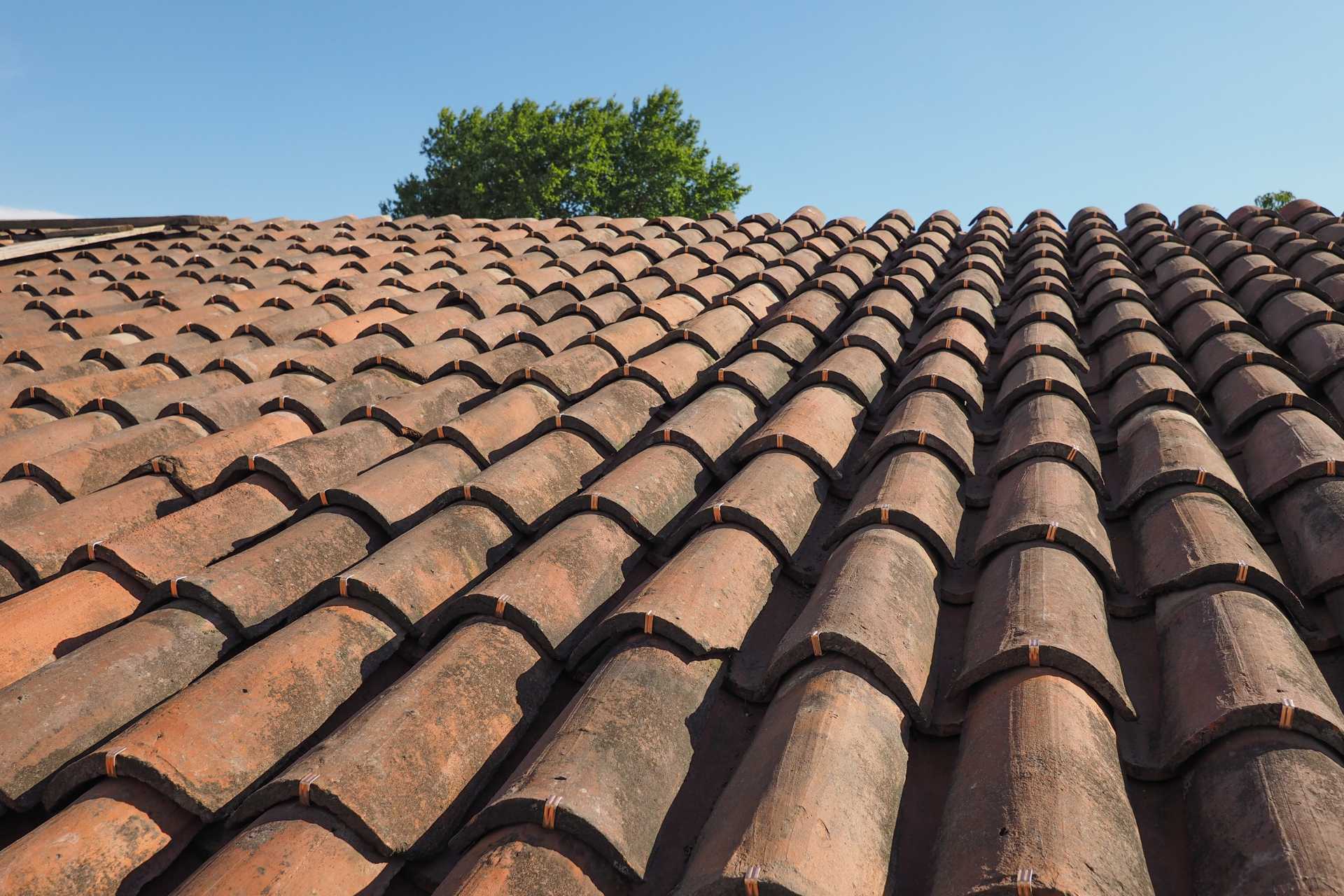
As temperatures begin to cool and homeowners prepare for the seasonal shift, fall becomes the perfect window to tackle essential exterior upgrades. Whether planning a window replacement or scheduling a much-needed roof repair, this is the season where environmental conditions work directly in the homeowner’s favour. Mild weather, low humidity, and stable temperatures create ideal working conditions for contractors, making repairs more efficient and materials more reliable. Delaying maintenance, however, allows winter’s severity—snow, ice, and relentless freeze-thaw cycles—to exploit even minor flaws, potentially leading to catastrophic leaks and structural damage. Fall offers the best opportunity to address roofing issues due to predictable scheduling, better material performance, and the critical chance to fortify the home’s primary defence system before the first frost arrives.
Optimal Conditions: Efficiency and Material Performance
The success and longevity of any roof repair rely heavily on temperature stability, a condition perfectly met during the fall season. Roofing materials—including asphalt shingles, sealants, and the underlying adhesives—require moderate temperatures to cure properly and form a durable, watertight bond with the deck. In contrast, summer’s extreme heat makes shingles overly pliable and prone to damage, while liquid adhesives cure too quickly to form a reliable seal. Winter presents the opposite challenge; shingles become rigid and brittle, and adhesives struggle to bond, compromising the long-term effectiveness of the repair and increasing the risk of immediate failure during high winds.
Fall’s moderate weather also improves contractor logistics and productivity. Mild temperatures allow roofing teams to work safely and efficiently for longer periods, often reducing project timelines compared to peak heat or winter cold. Scheduling is more flexible in the fall as contractors transition out of summer storm repairs and before winter’s urgent no-heat calls begin. Completing repairs under these optimal conditions not only prolongs the lifespan of the roof but also helps ensure the manufacturer’s warranty remains fully intact.
Preventing the Winter Catastrophe: Stopping the Freeze-Thaw Cycle
Autumn presents the best opportunity to identify minor damage left behind by summer heat and storms. Homeowners can spot issues such as lifted shingles, minor flashing cracks, or excessive granule loss before they escalate. Addressing a minor leak in the fall is the single most effective way to prevent the destructive freeze-thaw cycle from exploiting it. Water that seeps beneath a loose shingle will expand by up to nine percent when frozen, forcing the shingle further upward and rapidly enlarging the leak path.
This cumulative damage leads to wood rot and encourages ice dam formation along the eaves. Delaying repairs until winter often turns these manageable issues into costly emergencies. Mid-winter roof work is inherently more dangerous and expensive, requiring specialized equipment, premium labour rates, and temporary patches that cannot fully bond until spring. If water has already infiltrated the attic, a small, ignored flaw can quickly escalate into a major interior damage claim.
Home Protection and Insurance Benefits
Addressing roof repairs in the fall strengthens the home’s primary defence and prevents costly internal damage. Proper repairs keep moisture out of the attic, preserving insulation, protecting drywall and ceilings, and maintaining the integrity of structural framing. Protecting attic insulation is especially crucial, as wet insulation loses its R-value and increases heating costs. A fully secured roof becomes even more effective when paired with other exterior improvements—such as window replacement—ensuring the entire home envelope is winter-ready.
Fall repairs also keep the roof’s manufacturer warranty intact, as many warranties can be voided if known defects are neglected. Insurance providers view fall maintenance favourably as well; they are far less likely to contest a winter damage claim when preventative work can be clearly documented. Cleaning gutters and maintaining fascia and soffits ensure water flows correctly, reducing the risk of overflow damage. This proactive, holistic approach satisfies both warranty conditions and insurance standards.
Your System’s Winter Wellness Check
Investing in fall roof maintenance is a strategic choice that transforms the roof from a potential winter liability into a fortified asset. Fall offers the ideal blend of material performance, contractor availability, and preventative opportunity—conditions that simply do not exist at any other time of year. This preparation ensures reliable protection through Canada’s harshest weather and helps prevent related issues such as soffit and fascia problems that often surface once snow and ice accumulate. Don’t allow a minor fall defect—a loose shingle or small leak—to escalate into a winter emergency requiring costly interventions. Contact a qualified roofing contractor now to secure your home’s envelope before the first snowfall.