The most expensive roof repair is often the one you did not see coming. Most homeowners view their roof as a static object. They expect it to perform perfectly until it fails completely. However, a roof is a dynamic system that faces constant environmental pressure. When a homeowner ignores a minor drip, they are essentially gambling with their home equity. In the modern housing market, a proactive roof repair strategy is a financial necessity. Small, incremental maintenance tasks prevent massive structural bills. Many owners also neglect the connection between their roof and their siding during inspections. These vertical and horizontal systems must work together to shed water. If one fails, the other is soon to follow. Transitioning from “emergency response” to “asset management” is the only way to protect your budget and avoid costly repairs. Identifying failure points early transforms a potential disaster into a manageable task.
1. The Neglected Joint: Managing Flashing and Sealants
Small junctions determine the health of your entire roof. Flashing bridges the gap between different surfaces like chimneys and walls. These metal “joints” handle the highest volume of water. Unfortunately, they also experience the most thermal stress. Over time, the metal expands and contracts. This movement eventually breaks the seals. A failing flashing joint allows water to enter the structural core of the home.
The financial ripple effect of a neglected joint is staggering. A technician can often fix a flashing leak for a few hundred dollars. If you ignore it, the water will eventually rot the structural timber. Replacing those beams can cost fifteen thousand dollars or more. You must look for “sealant fatigue” during your annual walk-around. If you see cracked or peeling caulk, water is likely already getting in. Addressing these small gaps today eliminates the risk of a massive structural overhaul tomorrow.
2. Gutter Hydraulics and Foundation Health
Clogged gutters are a primary cause of avoidable roof damage. Many people view gutter cleaning as a simple landscaping chore. In reality, it is a critical part of roof hydraulics. When debris blocks the flow of water, it creates a backup. During heavy rain, the water has nowhere to go. It spills over the back of the gutter and into the wooden eaves.
This backup creates a dangerous domino effect. Standing water quickly rots the fascia boards that hold your gutters in place. Eventually, the weight of the water and debris will pull the gutters away from the house entirely. Furthermore, overflowing water pools at the base of your home. This can lead to foundation cracks and basement flooding. A simple cleaning twice a year prevents these five-figure headaches. Keeping the water moving is the best way to keep your home’s skeleton dry and stable.
3. The Silent Cooker: Balancing Attic Ventilation
Internal heat is just as dangerous as external rain. A poorly ventilated attic acts like a silent cooker for your shingles. In the summer, attic temperatures can soar above 65°C. Without proper airflow, this heat bakes the shingles from the underside. This process accelerates the loss of protective granules. It effectively cuts the lifespan of your roof in half.
The cost of ignored ventilation is a total roof deck failure. Excessive heat also traps moisture inside the attic during the winter. This humidity condenses on the cold wooden deck and leads to mould. Identifying this issue early is much cheaper than a full replacement. You should check for “baking” shingles that look brittle or curled. A balanced system of intake and exhaust ensures your roof stays cool. This small mechanical adjustment adds years of service to your investment.
4. Biological Growth and Organic Debris
Moss and algae are more than just an aesthetic problem. Organic growth acts like a slow burn on your roofing material. Moss holds moisture directly against the shingles for long periods. This moisture eventually seeps into the shingle mat and destroys the adhesive bond. As the moss grows, its roots can even lift the shingles and create entry points for wind-driven rain.
Tree overhangs present a double threat to your roof. Low-hanging branches can “scour” the surface of the shingles during high winds. This physical abrasion removes the stone granules that protect against UV rays. Additionally, acidic needles and leaves can chemically degrade the roofing surface. Trimming trees back by at least ten feet is a low-cost way to prevent surface erosion. Removing organic debris ensures that the roof can dry out properly after every storm.
5. The Biennial Forensic Audit
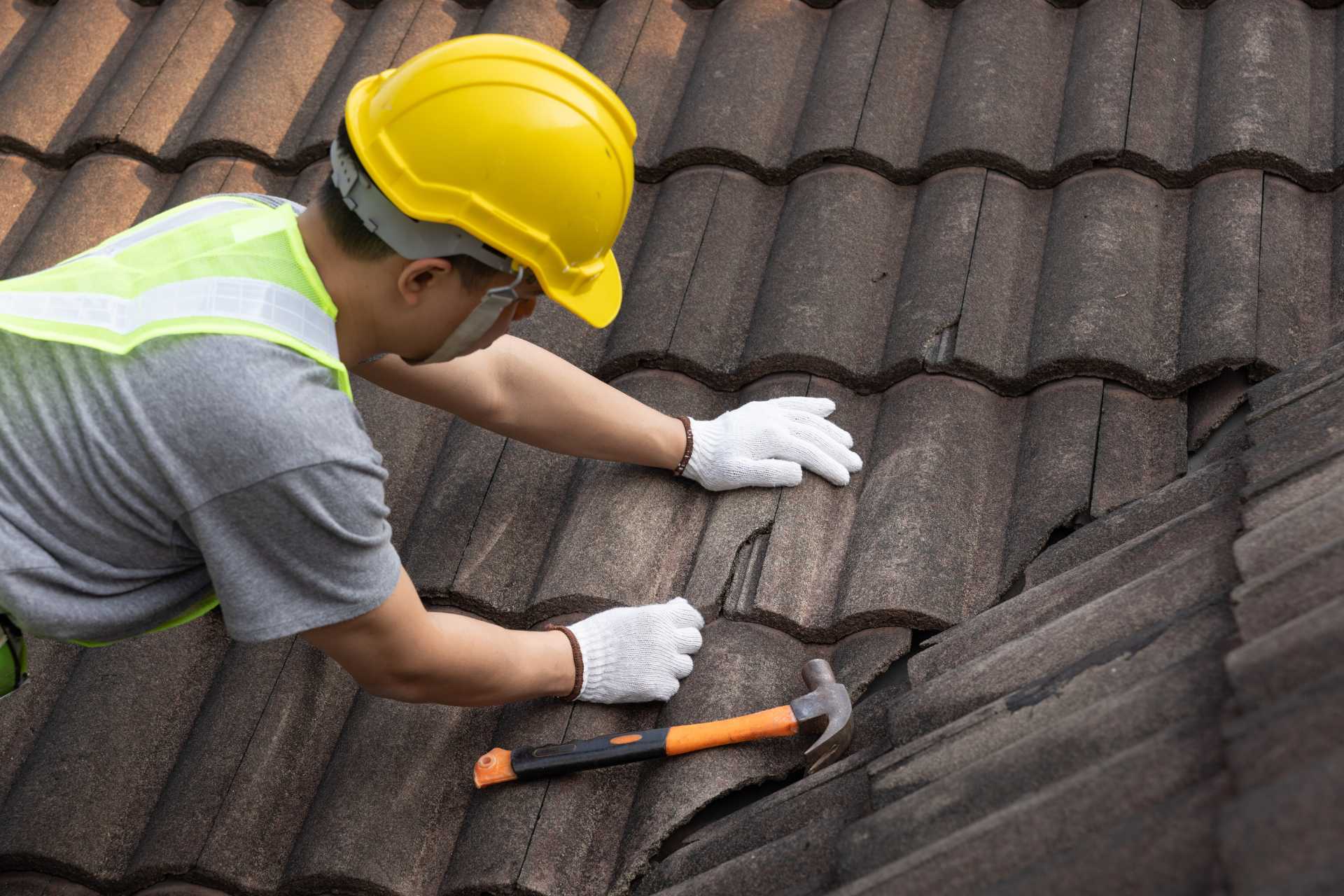
The best way to save money is to hire a professional for a forensic audit. Many people rely on their own eyes to spot problems. However, most roof damage is invisible from the ground. A professional inspector looks for subtle signs of normal roof wear that an untrained eye might miss. They check for loose fasteners, failing gaskets, and subtle shingle shifts.
The ROI of a professional inspection is undeniable. It costs very little compared to an emergency “storm chaser” repair after a hurricane or blizzard. A biennial checkup allows you to plan for future expenses rather than reacting to a crisis. These audits also provide documentation for insurance companies and future buyers. When you show a history of professional care, you increase your home’s resale value. It proves that you have treated the property as a valuable asset rather than a disposable shelter.
Recognizing the Signs of Replacement
Sometimes, maintenance is no longer enough. Every roof has a finite lifespan. You must know when you have reached the point of diminishing returns. Investing in a high-quality roof is often cheaper than paying for constant, recurring repairs. If you find yourself patching the same areas every year, you are wasting money. A new system provides a fresh warranty and modern energy efficiency.
Perimeter damage is often the first indicator of systemic failure. If you notice sagging gutters or rotted eaves, it may be time for a soffit and fascia replacement to restore the roof’s edge. Neglecting the perimeter can lead to moisture entering the walls of the home. This leads to interior mould and electrical issues. A total system replacement addresses these underlying problems at once. It ensures that your new roof has a solid foundation to rest upon.
Strategic Maintenance for Long-Term Wealth
The cost of hindsight is always higher than the cost of foresight. By identifying failure points early, you can eliminate the “surprise” element of home ownership. Strategic maintenance is the only way to avoid the most expensive roofing disasters. Whether you are managing debris or auditing your attic ventilation, every small action protects your budget. Proactive care ensures that your home remains a dry and valuable sanctuary for your family. By focusing on the five failure points, you can secure your building envelope against the elements. A healthy roof is the foundation of a healthy financial future for any homeowner.