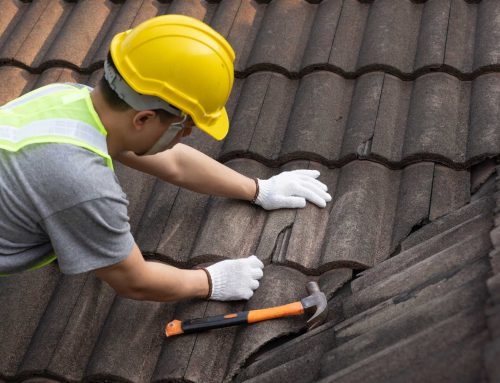
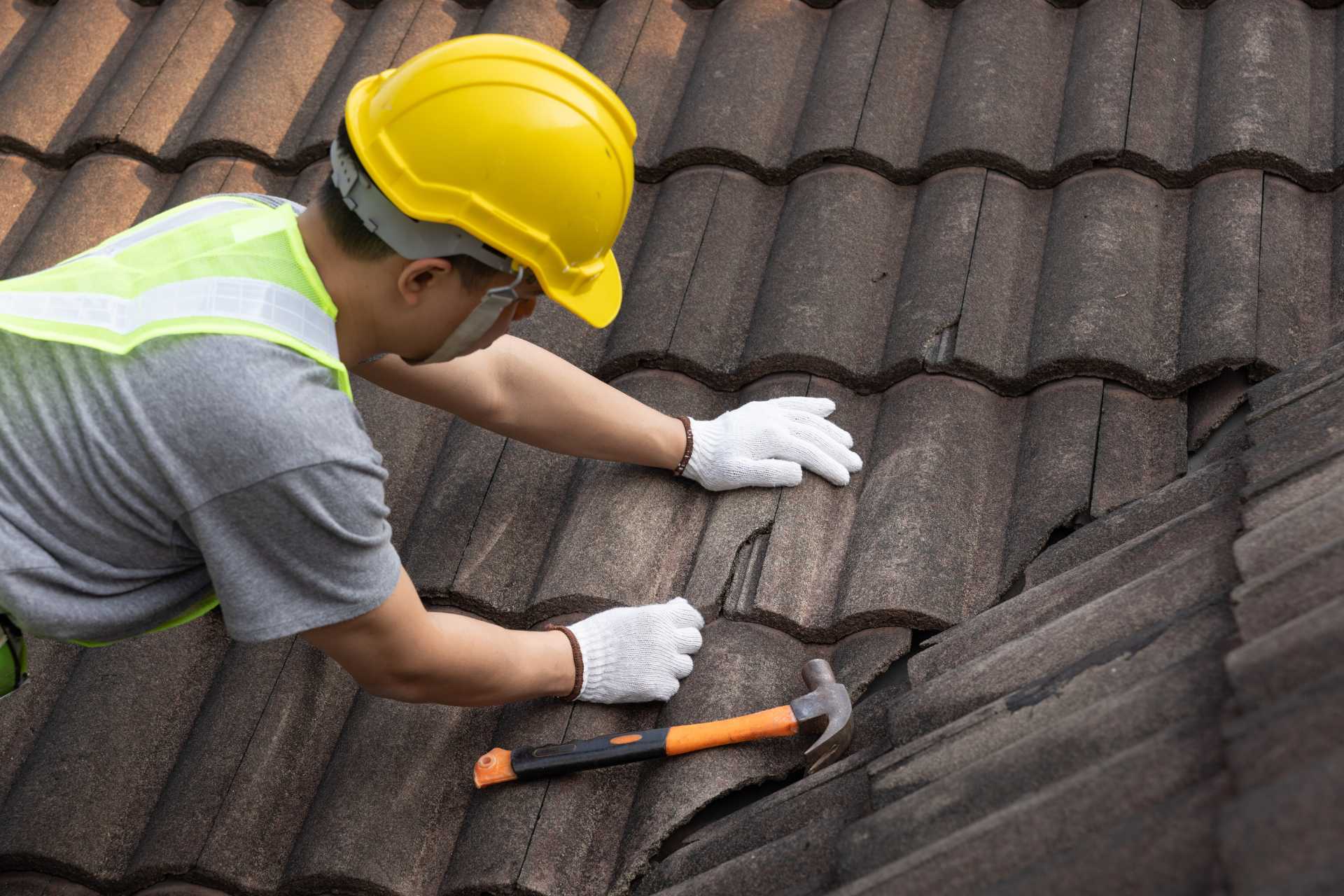
During winter, many property owners only think about roof repair after visible leaks appear inside the home. However, ice dams often begin forming long before interior damage becomes obvious. Snow melts on warmer sections of the roof and refreezes at colder edges, creating a barrier that traps water behind it. This trapped water slowly forces its way beneath shingles and protective layers. By the time homeowners consider repairs, hidden deterioration may already be developing.
Some homeowners prioritize upgrades like window replacement while postponing roof-related concerns that appear seasonal. Yet ice dams are rarely temporary inconveniences; they signal ventilation and insulation imbalances that require professional attention. Repeated winter buildup increases strain on shingles, flashing, and eaves. Addressing these issues early through proper inspection and targeted repair helps prevent more extensive damage. Proactive roof repair reduces the likelihood of recurring winter-related structural problems.
What Is an Ice Dam?
An ice dam forms when melting snow runs down a roof and refreezes near the colder eaves. This ridge of ice blocks proper drainage and prevents water from flowing into gutters. As additional snow melts, the trapped water builds up behind the ice barrier. Eventually, it can seep beneath shingles and underlayment. At this stage, professional roof repair may be required to address damage caused by prolonged moisture exposure.
Ice dams are often mistaken for harmless icicles, but the structural implications are more serious. The visible ice along the roof edge is only part of the problem. The greater concern lies in the water trapped behind it and the pressure it creates beneath roofing materials. Over time, this trapped water increases the risk of moisture damage inside the attic and ceilings. Early identification reduces the need for extensive structural repairs later.
What Causes Ice Dams to Form
Ice dams develop primarily due to temperature imbalance across the roof surface. Warm air escaping from the attic heats the upper portion of the roof, causing snow to melt even during freezing conditions. As that water flows downward, it reaches colder roof edges and refreezes. This cycle continues throughout the winter, especially during periods of heavy snow followed by brief thaws. Without proper ventilation and insulation, the melting and refreezing process repeats consistently.
Poor attic insulation is one of the most common contributors to this imbalance. When heat loss is uncontrolled, snow melts unevenly instead of remaining frozen across the roof surface. Blocked soffit vents and airflow restrictions worsen the issue, often tied to common soffit and fascia problems that go unnoticed. Over time, these conditions create ideal circumstances for recurring ice buildup. Addressing ventilation and insulation deficiencies reduces the need for repeated winter roof repair.
How Ice Dams Lead to Roof Damage
When water becomes trapped behind an ice dam, it has nowhere to drain properly. Instead of flowing into gutters, it backs up beneath shingles and protective layers. This intrusion exposes decking and underlayment to prolonged moisture exposure. Over time, repeated saturation increases the likelihood of structural weakening. In many cases, professional roof repair becomes necessary to replace compromised materials.
The damage does not remain limited to the roof surface. Persistent water infiltration can lead to interior staining, insulation breakdown, and long-term moisture damage within ceilings and walls. As wood components absorb water, they may warp or rot, reducing structural integrity. If left unresolved, deterioration may extend beyond the roofing system. Addressing ice dam formation early helps prevent cascading repair costs throughout the property.
Why Winter Weather Makes the Problem Worse
Ice dams become more severe when winter conditions fluctuate between freezing and mild temperatures. During warmer daytime hours, rooftop snow begins to melt, even if outdoor temperatures remain below freezing. As evening temperatures drop, that melted water refreezes along the eaves, thickening the ice barrier. Repeated cycles intensify pressure on shingles and flashing components. Over time, these stress patterns increase the likelihood that roof repair will be required.
Extended cold spells combined with heavy snow accumulation further complicate the issue. Large volumes of snow create sustained weight while also supplying additional meltwater during temperature shifts. Wind-driven drifting can concentrate snow in certain areas, worsening uneven melting patterns. These winter variables accelerate deterioration of roofing materials. Proactive maintenance and early intervention reduce the long-term structural impact of severe seasonal weather.
Signs You May Have an Ice Dam Problem
Large icicles hanging from roof edges are often the first visible warning sign. While they may appear decorative, they usually indicate trapped water behind frozen buildup. Interior water stains near ceilings or exterior walls can signal that moisture has already penetrated beneath the roofing surface. Peeling paint and damp insulation in attic spaces are additional indicators. When these signs appear, timely roof repair can prevent more extensive structural damage.
Exterior distortion along gutters and fascia boards may also suggest recurring ice formation. Repeated freezing and thawing can stress these components and worsen soffit and fascia problems over time. If attic areas feel unusually damp during winter, trapped moisture may already be affecting structural materials. Ignoring these warning signs increases the risk of deeper deterioration. Early professional evaluation reduces long-term repair complexity.
How to Prevent Ice Dams
Preventing ice dams begins with improving attic insulation and ventilation. Proper airflow keeps roof temperatures consistent, reducing uneven snow melt. Clearing snow safely from roof edges after major storms can also help limit buildup. Addressing ventilation deficiencies early reduces stress on shingles and flashing components. Proactive inspection and seasonal roof repair prevent minor vulnerabilities from developing into recurring winter damage.
Regular maintenance plays a critical role in long-term prevention. Ensuring gutters remain clear allows meltwater to drain properly during thaw periods. Evaluating attic airflow before winter reduces the likelihood of temperature imbalance. Correcting structural weaknesses in advance minimizes exposure to freeze-thaw cycles. Consistent preventative care lowers the risk of emergency repairs during peak winter conditions.
Ice Dams Are a Symptom, Not the Root Problem
Ice dams signal underlying ventilation and insulation imbalances that require attention. While visible ice may seem seasonal, trapped water can cause long-term structural deterioration. Repeated freeze-thaw cycles increase the risk of leaks and material breakdown. Addressing the root causes through proper inspection and timely roof repair protects both structural integrity and long-term performance. Preventative maintenance reduces recurring winter damage and supports lasting roof durability.