Every roof shows signs of aging over time, but not all wear means immediate danger. Homeowners often struggle to tell the difference between normal deterioration and early warning signs of serious failure. Discolouration, granule loss, or slight lifting can look harmless at first, leading many to delay roof repair until damage becomes unavoidable. Understanding what normal roof wear looks like—and when it crosses the line—helps prevent costly surprises.
Roof condition also connects closely to other exterior upgrades, including window replacement, because the building envelope works as a single system. When wear is misread or ignored, small issues compound and affect energy efficiency, moisture control, and curb appeal. Knowing how to evaluate wear patterns makes it easier to decide when roof maintenance is needed to extend the lifespan of your roof and when roof replacement is needed to protect the home.
What Normal Roof Wear Looks Like Over Time
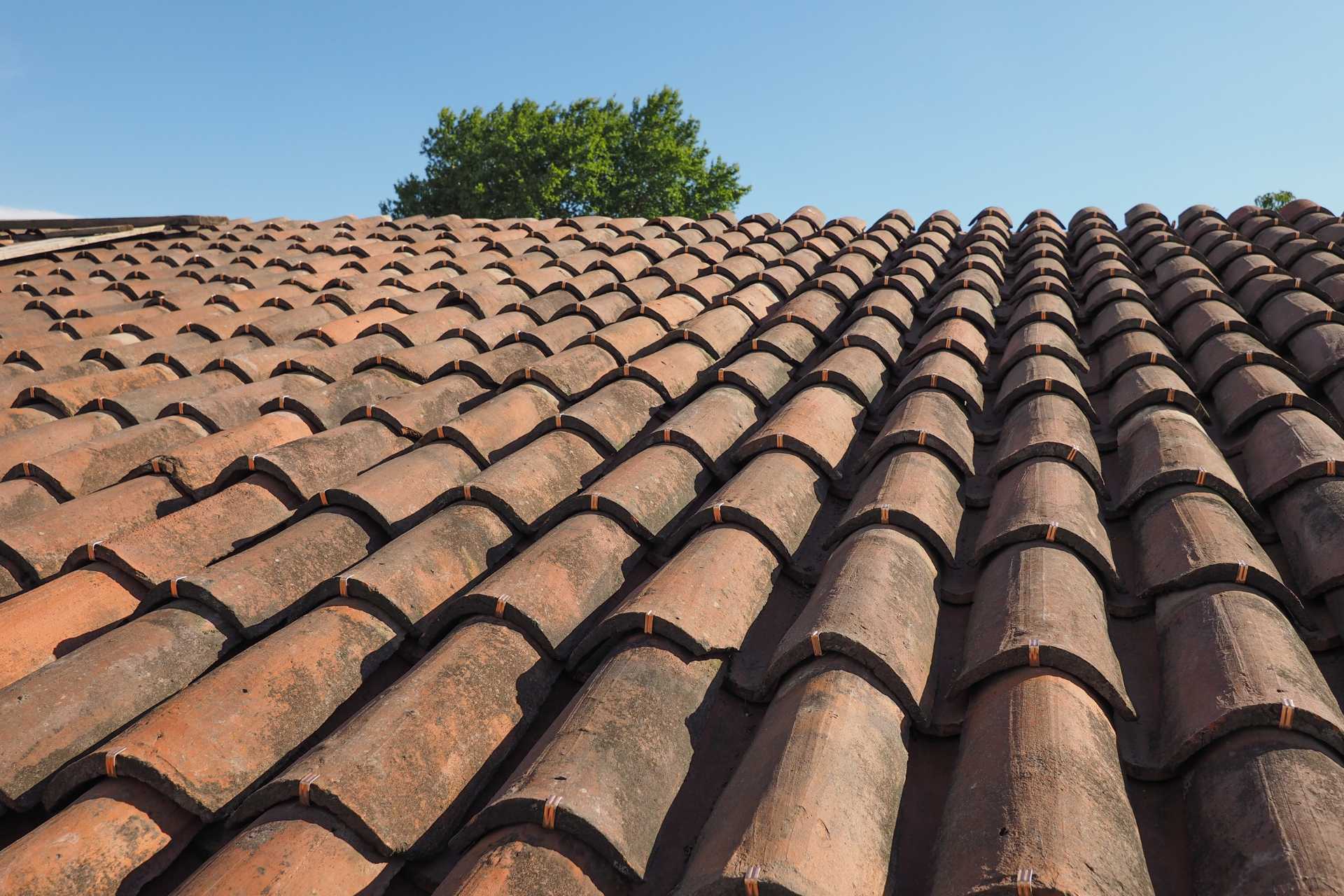
Normal roof wear develops slowly and evenly across the surface. Shingles may lose some granules as they age, colours can fade under constant UV exposure, and edges may become slightly less crisp. These changes are expected as materials weather and do not immediately compromise the roof’s ability to shed water. When wear appears consistent and localized damage is minimal, the roof is usually still performing its primary function.
This stage is where routine upkeep matters most. Small adjustments, minor sealing, and scheduled inspections help stabilize aging materials before they deteriorate further. When addressed early, these efforts support the idea that roof maintenance extends the lifespan of your roof, allowing homeowners to get full value from the existing system without rushing into replacement.
When Wear Stops Being Normal and Starts Becoming a Risk
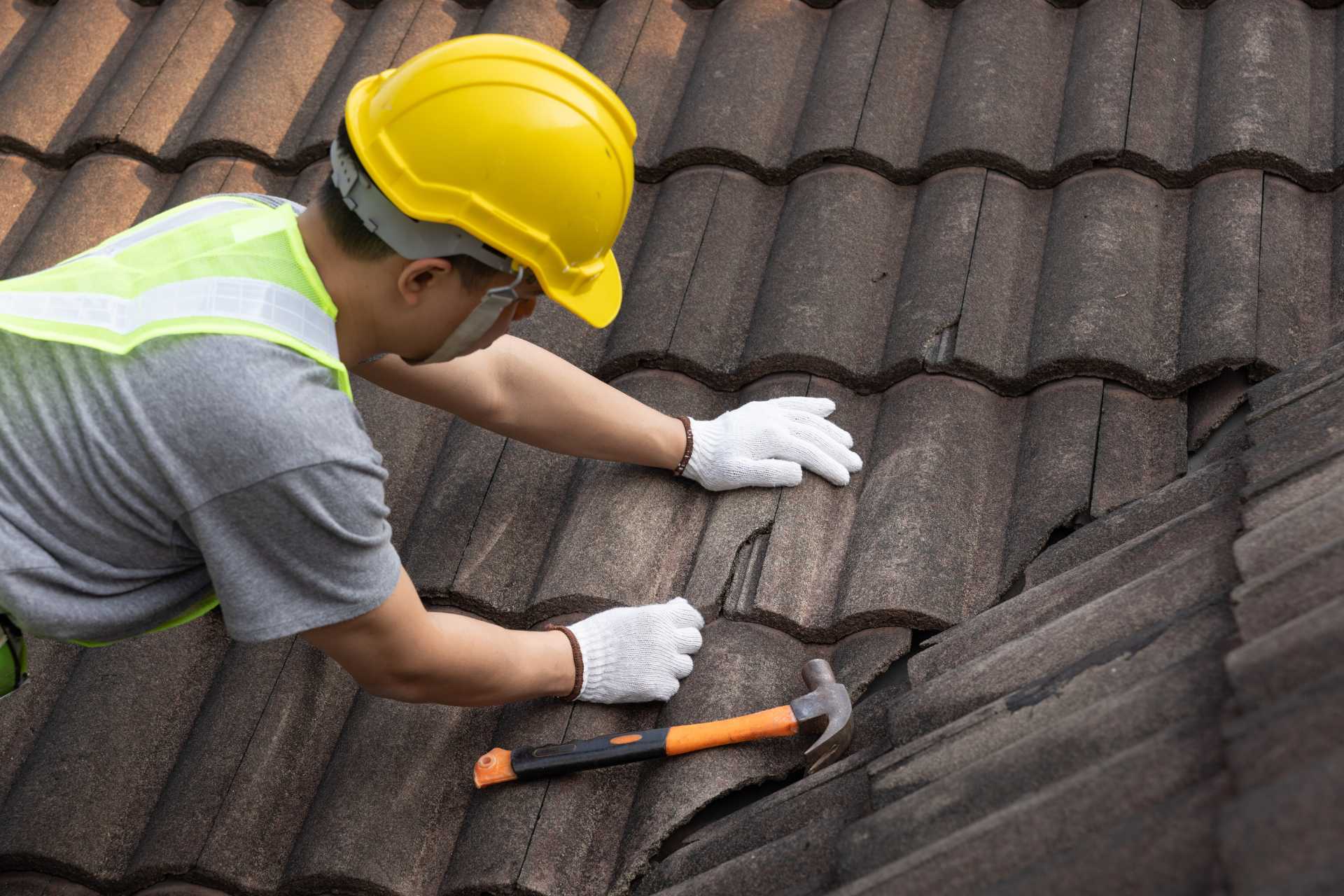
Roof wear becomes a concern when it shifts from gradual aging to uneven or accelerating damage. Missing shingles, exposed nail heads, deep cracks, or areas where granules are completely worn away indicate that materials can no longer protect the layers beneath. At this point, water is more likely to penetrate the surface, even during moderate rain, increasing the risk of hidden moisture damage.
Another red flag is wear that appears concentrated in specific areas, such as valleys, edges, or around penetrations. These patterns suggest that drainage, flashing, or ventilation issues are stressing the roof unevenly. When these conditions persist, repairs become less effective, and the likelihood grows that your roof needs a replacement rather than continued patchwork.
Common Areas Where Trouble Shows Up First
Roof problems rarely appear evenly across the surface. Valleys, flashing points, roof edges, and areas around vents or chimneys are typically the first to show signs of failure. These sections handle higher volumes of water and experience more movement, making them more vulnerable as materials age. When wear concentrates in these locations, it often signals that the roof’s protective system is losing balance.
Because these areas play such a critical role in water management, deterioration here accelerates damage elsewhere. Moisture entering through one weak point can travel beneath intact shingles and affect larger sections of the roof deck. Identifying trouble early in these high-risk zones helps homeowners intervene before damage spreads.
How Interior Clues Reveal Roof Wear Problems
Roof wear often reveals itself inside the home before exterior damage looks severe. Water staining on ceilings, bubbling paint, or damp drywall usually means moisture has already travelled beyond the roof surface and into interior materials. These signs indicate that normal exterior wear has progressed far enough to compromise underlayment, decking, or flashing components.
Attic conditions provide additional clues. Wet insulation, frost buildup in winter, or persistent musty odours signal ongoing moisture intrusion that rarely resolves on its own. When interior symptoms appear, the roof is no longer just aging—it is actively failing to control water and airflow, increasing the urgency of professional evaluation.
When Repairs Still Make Sense—and When They Don’t
Roof repairs remain a practical option when damage is localized and the overall system is still structurally sound. Isolated shingle loss, minor flashing issues, or small penetrations can often be corrected effectively, especially when caught early. In these cases, repairs restore performance and delay the need for larger interventions.
However, repairs stop being effective once wear becomes widespread or repetitive. If the same issues return after previous fixes, or if multiple areas fail simultaneously, the roof has likely reached a tipping point. Continuing to repair a system in decline increases costs without restoring reliability, making replacement the more responsible long-term solution.
Why Roof Condition Matters for Home Value
Roof condition plays a major role in how a home is evaluated by buyers and inspectors. Visible wear, interior staining, or signs of previous water damage often raise concerns about hidden problems and future expenses. Even when issues are technically repairable, uncertainty around roof performance can negatively affect perceived value.
A newer or well-maintained roof reassures buyers that a major exterior system has been addressed. Choosing to replace an aging roof allows homeowners to modernize their home’s exterior and boost their home’s value, improving curb appeal while removing a key objection during resale. A strong roof sends a clear signal of overall home care.
How Roof Wear Affects the Rest of the Home
Roof wear rarely impacts only the roof itself. As moisture enters the structure, it affects insulation performance, indoor comfort, and even interior finishes. Energy efficiency declines as insulation becomes damp, leading to higher heating and cooling demands. Over time, framing and drywall may also deteriorate, expanding the scope of damage.
Exterior systems are interconnected as well. Poor roof performance can worsen issues around soffits, fascia, and siding, allowing moisture to migrate downward. What starts as surface wear can evolve into a broader building-envelope problem, increasing repair complexity and cost.
Knowing the Difference Protects Your Home
Normal roof wear is expected, but understanding when it signals deeper trouble protects both the structure and the investment. Gradual, even aging can often be managed through consistent maintenance and timely repairs. Uneven wear, recurring problems, and interior symptoms point to system-wide decline that requires decisive action.
By learning how to recognize these differences, homeowners avoid guesswork and reactive decisions. Whether the path forward involves repair or replacement, clarity leads to better planning, lower long-term costs, and greater peace of mind.